
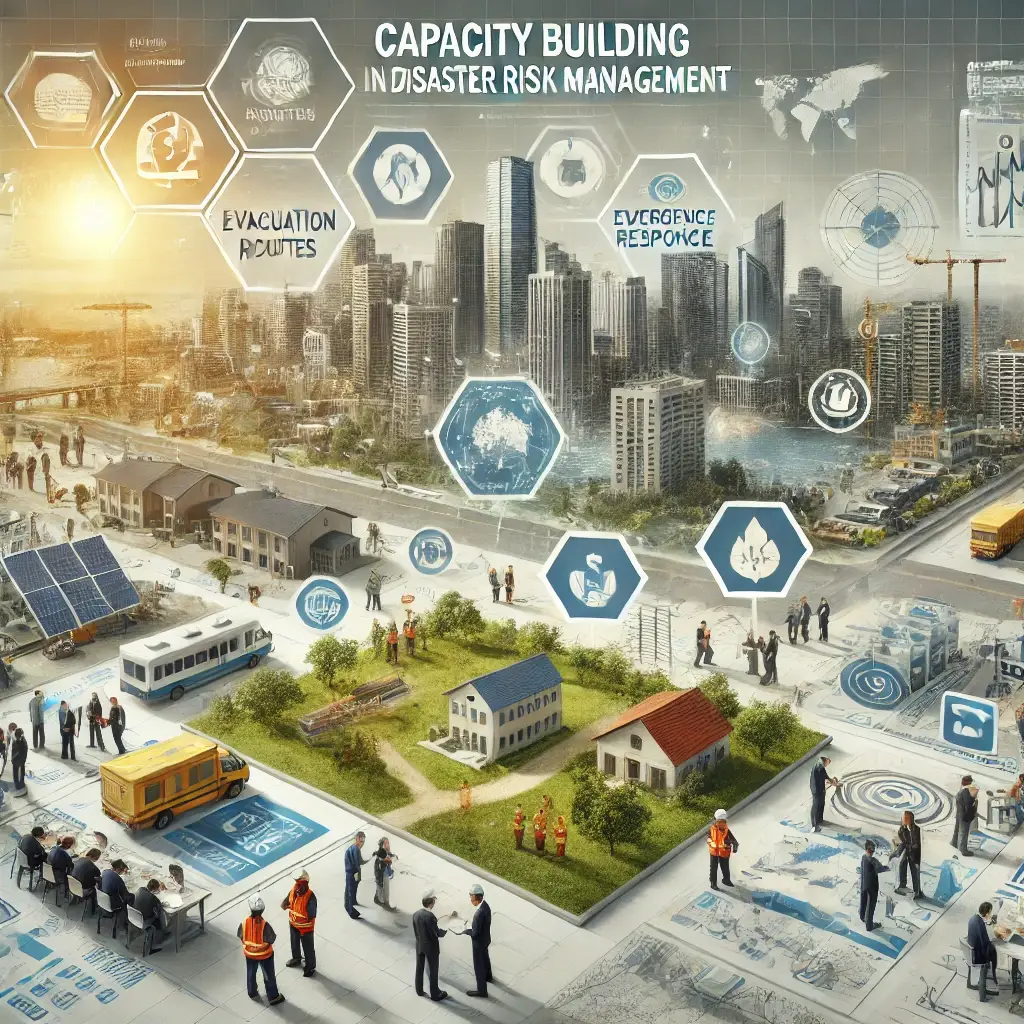
Capacity Building in Disaster Risk Management
Capacity Building in Disaster Risk Management: Lessons from Southeast Asia
Southeast Asia is one of the most disaster-prone regions in the world, facing frequent natural hazards such as typhoons, earthquakes, floods, and tsunamis. Countries like the Philippines, Indonesia, and Myanmar are regularly hit by catastrophic events that result in significant loss of life, displacement, and economic damage. Given this vulnerability, capacity building in disaster risk management (DRM) has become a critical focus for enhancing disaster preparedness and response in these countries. This article analyzes the role of capacity-building efforts in DRM, drawing lessons from Southeast Asia and extending the analysis to include Pakistan, another disaster-prone country with similar challenges.
Capacity building in DRM involves developing and strengthening the skills, knowledge, resources, and institutions needed to effectively manage and respond to disasters. This includes everything from community education and training, to improving early warning systems, to enhancing the coordination among various stakeholders involved in disaster response.
A 2020 report by the Asian Development Bank (ADB) highlighted that capacity building in DRM is crucial for reducing the vulnerability of populations in disaster-prone areas. The report noted that countries with robust capacity-building programs are better equipped to minimize the impacts of disasters, thereby saving lives and reducing economic losses.
Case Studies from Southeast Asia
1. The Philippines: Strengthening Community Resilience
The Philippines is frequently impacted by typhoons, with Typhoon Haiyan in 2013 being one of the most devastating in recent history. In response, the Philippines has invested heavily in capacity-building initiatives aimed at improving community resilience.
The “Barangay Disaster Risk Reduction and Management Plans” (BDRRMPs) are a cornerstone of this strategy. These plans are developed at the community level, with significant input from local residents, ensuring that the plans are tailored to the specific needs and vulnerabilities of each area. According to a 2021 study published in the Journal of Disaster Risk Studies, areas with active BDRRMPs saw a 30% reduction in casualties and a 25% reduction in property damage during subsequent typhoons.
2. Indonesia: Enhancing Early Warning Systems
Indonesia’s location along the Pacific Ring of Fire makes it highly susceptible to earthquakes and tsunamis. Following the 2004 Indian Ocean tsunami, which resulted in over 230,000 deaths across several countries, Indonesia has made significant strides in building its disaster management capacity, particularly in early warning systems.
The Indonesian Tsunami Early Warning System (InaTEWS) was established to provide real-time alerts and information to coastal communities. A 2019 evaluation by the United Nations Office for Disaster Risk Reduction (UNDRR) found that the system had reduced evacuation times by 40%, potentially saving thousands of lives during tsunamis and earthquakes.
3. Myanmar: Institutional Strengthening and Policy Development
Myanmar has faced numerous natural disasters, including Cyclone Nargis in 2008, which claimed over 138,000 lives. In the aftermath, Myanmar focused on institutional strengthening as a key component of its capacity-building efforts.
The establishment of the Department of Disaster Management (DDM) and the development of the Myanmar Action Plan on Disaster Risk Reduction (MAPDRR) have been pivotal in this regard. According to a 2022 World Bank report, these initiatives have improved coordination among governmental and non-governmental organizations, leading to more efficient disaster response efforts and a 20% decrease in disaster-related fatalities over the past decade.
Lessons for Pakistan
Pakistan, like Southeast Asia, is highly vulnerable to natural disasters, including earthquakes, floods, and landslides. The 2005 Kashmir earthquake and the 2010 floods highlighted the country’s need for enhanced disaster risk management capacity. While Pakistan has made some progress in this area, there are valuable lessons to be learned from the experiences of Southeast Asia.
1. Community-Based Approaches
Pakistan can benefit from adopting community-based DRM approaches similar to the Philippines’ BDRRMPs. Engaging local communities in disaster preparedness and response planning ensures that interventions are context-specific and effective. Training local leaders and volunteers in disaster response can significantly enhance the resilience of vulnerable communities.
2. Strengthening Early Warning Systems
Like Indonesia, Pakistan needs to invest in advanced early warning systems, particularly for floods and landslides. The development of a comprehensive early warning system could reduce the response time and provide critical information to at-risk populations, potentially saving lives and reducing economic losses.
3. Institutional Development
The establishment of dedicated disaster management institutions, as seen in Myanmar, can enhance coordination and efficiency in disaster response. Pakistan’s National Disaster Management Authority (NDMA) has made progress in this regard, but further institutional strengthening and capacity building are needed to address the challenges posed by large-scale disasters effectively.
Conclusion
Capacity building in disaster risk management is vital for enhancing the resilience of disaster-prone countries. The experiences of Southeast Asian countries such as the Philippines, Indonesia, and Myanmar offer valuable lessons that can be applied to other regions, including Pakistan. By investing in community-based approaches, strengthening early warning systems, and developing robust disaster management institutions, Pakistan can improve its disaster preparedness and response, ultimately reducing the human and economic toll of natural disasters.
The future of disaster risk management lies in continued collaboration, knowledge sharing, and investment in capacity-building initiatives, ensuring that vulnerable populations are better equipped to face the challenges of an increasingly unpredictable world.